Some films arrive quietly, yet leave behind a resonance that lingers for years. The Help (2011) is one of those rare cinematic experiences—gentle in tone, devastating in impact. Directed by Tate Taylor and adapted from Kathryn Stockett’s acclaimed novel, the film invites viewers into a world where injustice hides behind etiquette, and bravery begins with listening.
Set in Jackson, Mississippi during the turbulent 1960s, The Help unfolds at the height of racial segregation in the American South. Rather than focusing on dramatic protests or political speeches, the film turns its gaze inward—toward kitchens, living rooms, and the unseen labor of Black women whose lives unfold in the shadows of white privilege.

Stories That Were Never Meant to Be Told
At the center of the narrative is Eugenia “Skeeter” Phelan (Emma Stone), a recent college graduate who feels out of place in a society that values marriage over ambition. While her friends chase social status, Skeeter pursues a different calling: writing. Her curiosity soon transforms into a bold mission—to document the lived experiences of Black maids who have spent their lives raising white children while enduring humiliation and fear in silence.
This decision is dangerous. Speaking out could cost these women their jobs, their safety, even their lives. Yet one by one, the maids begin to share their truths, and in doing so, reclaim a sense of dignity long denied.
Women Who Carry the Weight of a Nation
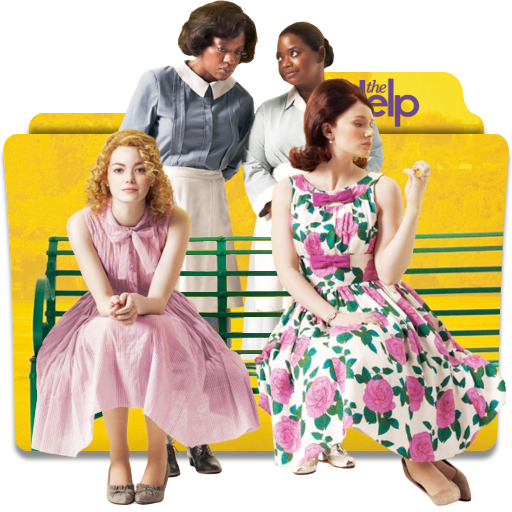
The emotional core of The Help lies in its unforgettable characters.
Aibileen Clark (Viola Davis) embodies quiet strength. Having lost her son to a society that refused to protect him, she pours her love into the children she raises for others. Her calm presence and aching vulnerability turn simple words into powerful affirmations of worth and humanity.
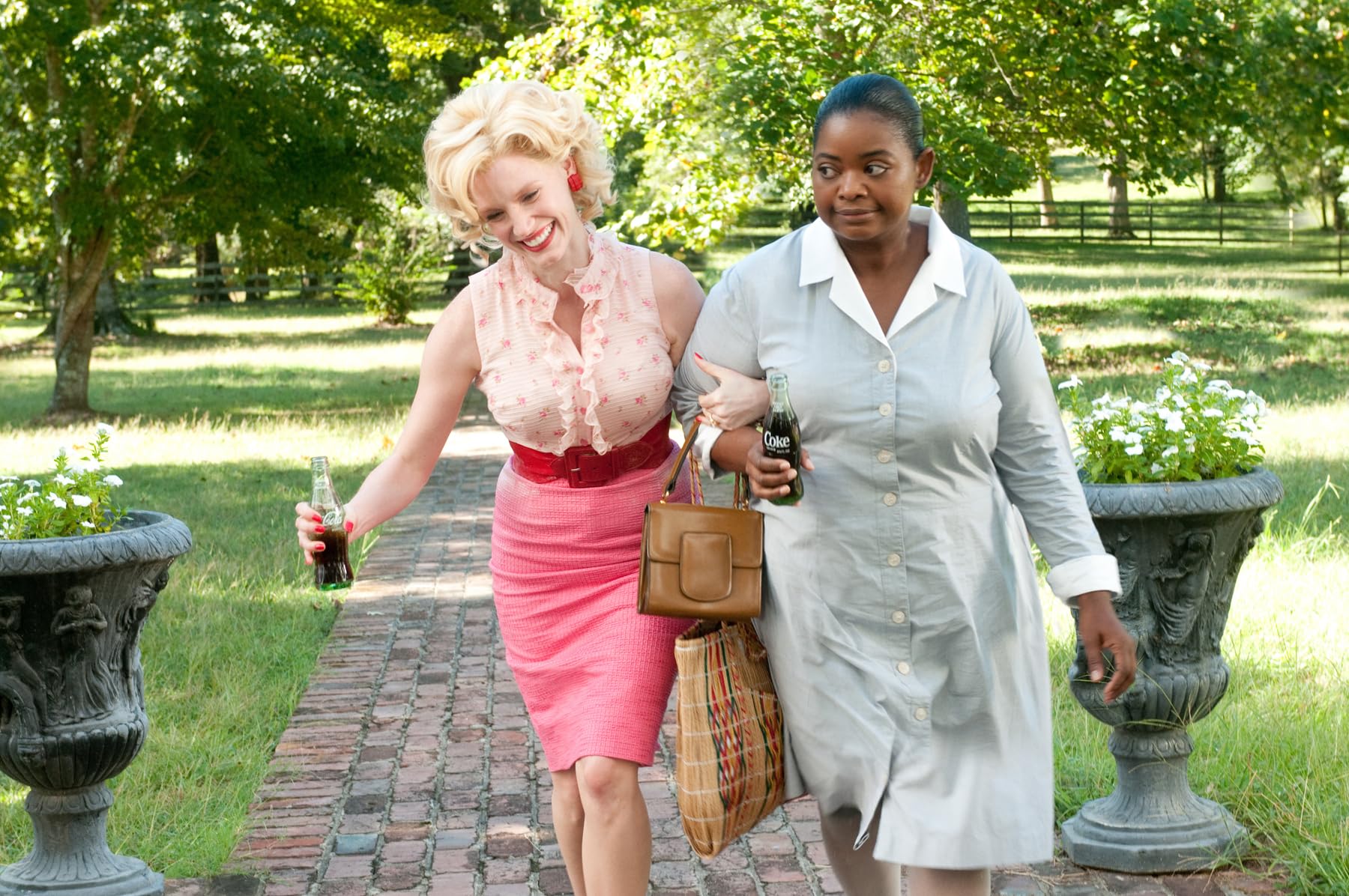
Minny Jackson (Octavia Spencer) stands in sharp contrast—bold, outspoken, and unafraid to push back. Her defiance becomes both a shield and a weapon in a world that seeks to break her. Spencer’s Oscar-winning performance brings humor, rage, and triumph together in perfect balance.
Celia Foote (Jessica Chastain), ostracized by high society, forms an unexpected bond with Minny. Their relationship reveals how cruelty often thrives within rigid social hierarchies, while kindness can emerge from those deemed “outsiders.”
And then there is Hilly Holbrook (Bryce Dallas Howard), the polished face of oppression. Her smiling cruelty and obsession with “manners” expose how discrimination can be enforced without raised voices—through rules, gossip, and control.

The Power of the Everyday
What makes The Help so haunting is its attention to detail. Segregated bathrooms. Lowered eyes. Forced smiles. These small, routine acts of injustice create a suffocating atmosphere, reminding us that oppression is often woven into daily life.
Yet within these moments, hope quietly blooms. A secret conversation. A shared laugh. A handwritten manuscript passed from hand to hand. The film suggests that change does not always begin with shouting—it can start with a single story told out loud.

Why The Help Still Matters
Though rooted in a specific time and place, The Help speaks to ongoing struggles around the world. It challenges audiences to confront uncomfortable truths about power, privilege, and whose voices are valued.
More importantly, it asks us to listen.
Conclusion
The Help is not just a historical drama—it is a meditation on courage, empathy, and the cost of silence. Through its deeply human storytelling and remarkable performances, the film reminds us that progress often begins when someone dares to ask a forbidden question—and others find the strength to answer.
Even years after its release, The Help continues to resonate, proving that stories, once spoken, can become acts of resistance—and ultimately, seeds of change.
🎬 The Help (2011) remains a powerful reminder: when voices rise together, even the quietest truths can reshape history.