A cinematic ghost born from memory, myth, and artificial intelligence.
In the early hours of a quiet night, a mysterious trailer surfaced across social platforms and immediately created a global wave of discussion. The title The Godfather 4 (2026) appeared as a return no one expected but many secretly wished for. Featuring Leonardo DiCaprio, Al Pacino, Robert De Niro, and Sylvester Stallone, the trailer convinced millions that the Corleone dynasty was about to rise again.
Social media exploded with debate, emotional reactions, and speculation. Many viewers admitted feeling nostalgic, moved, and even unsettled. For a brief moment, the world believed that the greatest mafia saga in cinema history was preparing to open a new chapter.

🕯️ A Family That Creates Kings — And Buries Them
Michael Corleone may be gone, but the consequences of his choices continue to shape every generation that carries the family name. In this imagined continuation, Leonardo DiCaprio appears as the new heir, a man burdened by solitude, responsibility, and the invisible weight of inherited power. His presence suggests that leadership within the Corleone family is not a privilege but a life sentence.
The trailer portrays the family not as a sanctuary but as the source of betrayal, crime, and tragedy. Dimly lit halls, restrained expressions, and quiet confrontations form an atmosphere of constant tension, where a single wrong word could trigger violence and every alliance hides an unspoken threat.

💀 The Inheritance of Sin Never Ends
If a Part IV truly existed, it would not simply be another gangster story but a dramatic exploration of power, guilt, and moral collapse. Power in the Corleone world does not disappear; it is transferred from one generation to the next along with the sins that created it. DiCaprio’s character represents a man forced to carry not only an empire but also the emotional and moral burden left behind by his predecessors.
The presence of De Niro, Pacino, and Stallone as echoes of the past reinforces the idea that history never truly fades. Their appearances suggest that every decision made in the name of power leaves marks that continue to haunt future generations.

⚙️ AI – The New Storyteller of Dark Legends
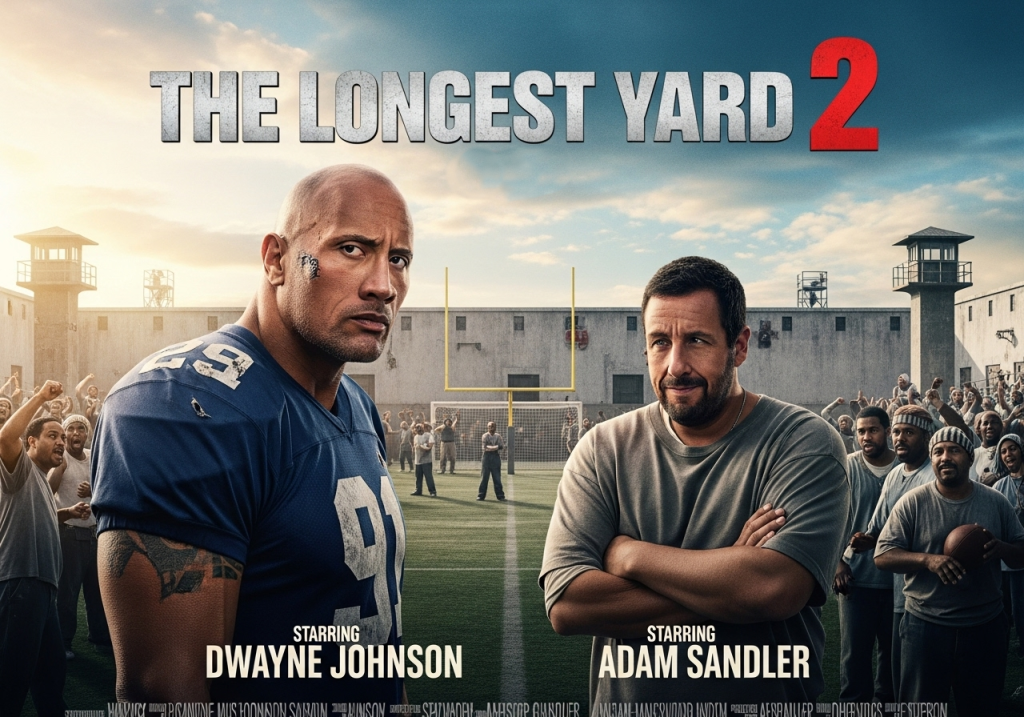
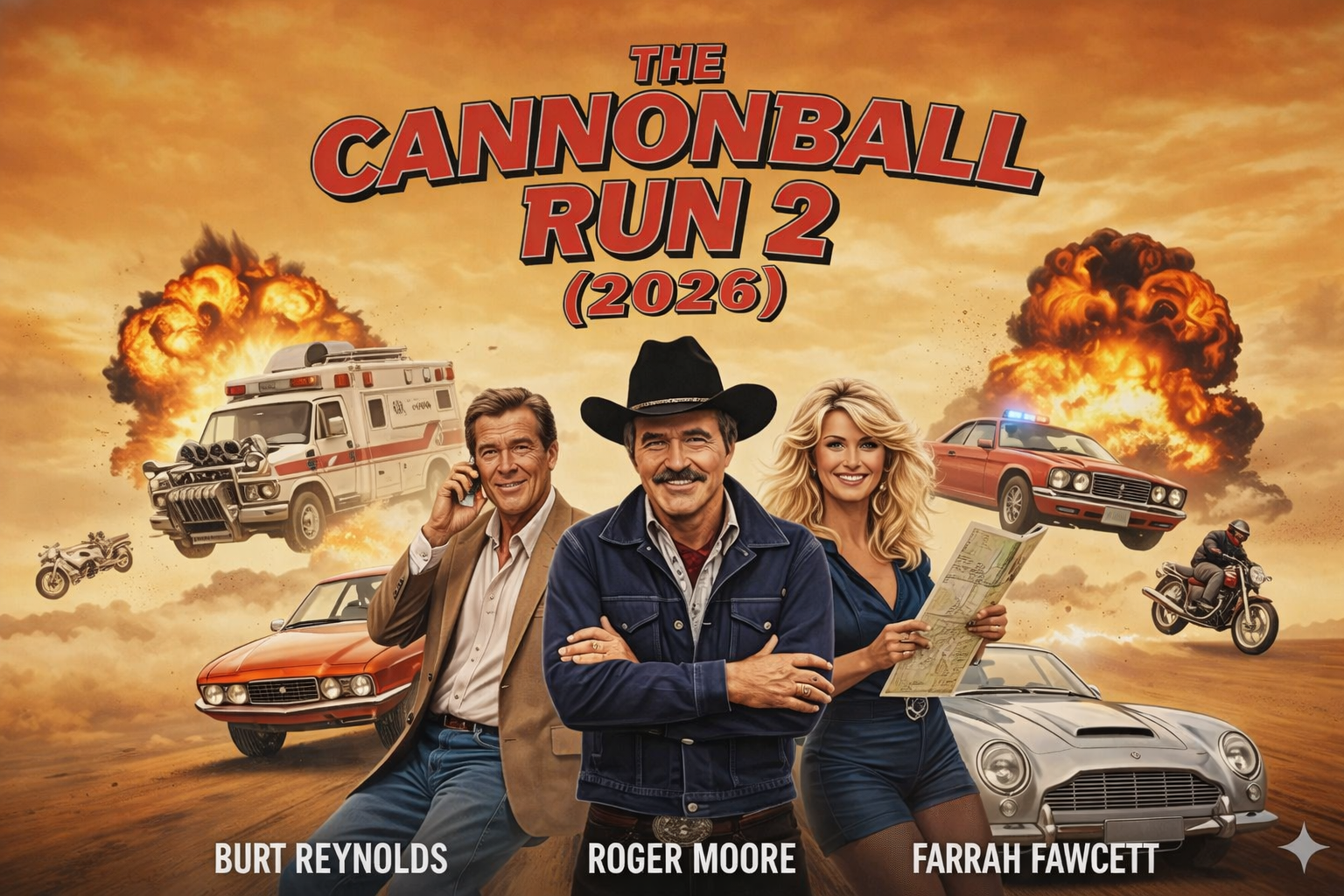
One of the most striking aspects of the viral trailer is that it was not produced through traditional filmmaking. No cameras were used, no official sets were built, and no real production took place. Instead, artificial intelligence generated the visuals, reconstructed faces, and recreated the atmosphere of classic Godfather films with remarkable accuracy.
AI did more than create images; it reconstructed emotions, cinematic rhythm, and narrative tension. The result is a new form of storytelling that blurs the line between reality and illusion, allowing audiences to experience a film that technically does not exist.

⚠️ OFFICIAL CLARIFICATION
Despite its powerful impact, The Godfather 4 (2026) is not an official production. There is no studio confirmation, no real casting, and no Part IV currently in development. All circulating trailers and posters are fan-made creations generated with artificial intelligence.

🔚 THE LEGACY THAT WILL NOT DIE
Even as an imagined project, The Godfather 4 (2026) demonstrates how deeply the Corleone legacy remains embedded in popular culture. The emotional reaction it generated shows that the myth of The Godfather continues to resonate across generations. Michael Corleone may belong to the past, but his shadow still defines the way audiences perceive power, loyalty, and tragedy in cinema. In the world of the Corleones, power is inherited, and darkness never truly sleeps.