When Power Meets Reinvention — and Fashion Fights to Stay Relevant
Nearly two decades after The Devil Wears Prada defined a generation’s understanding of ambition, glamour, and quiet suffering in high heels, the sequel steps back onto the runway — not as a nostalgic encore, but as a razor-edged reflection of power in a world that no longer worships glossy covers.
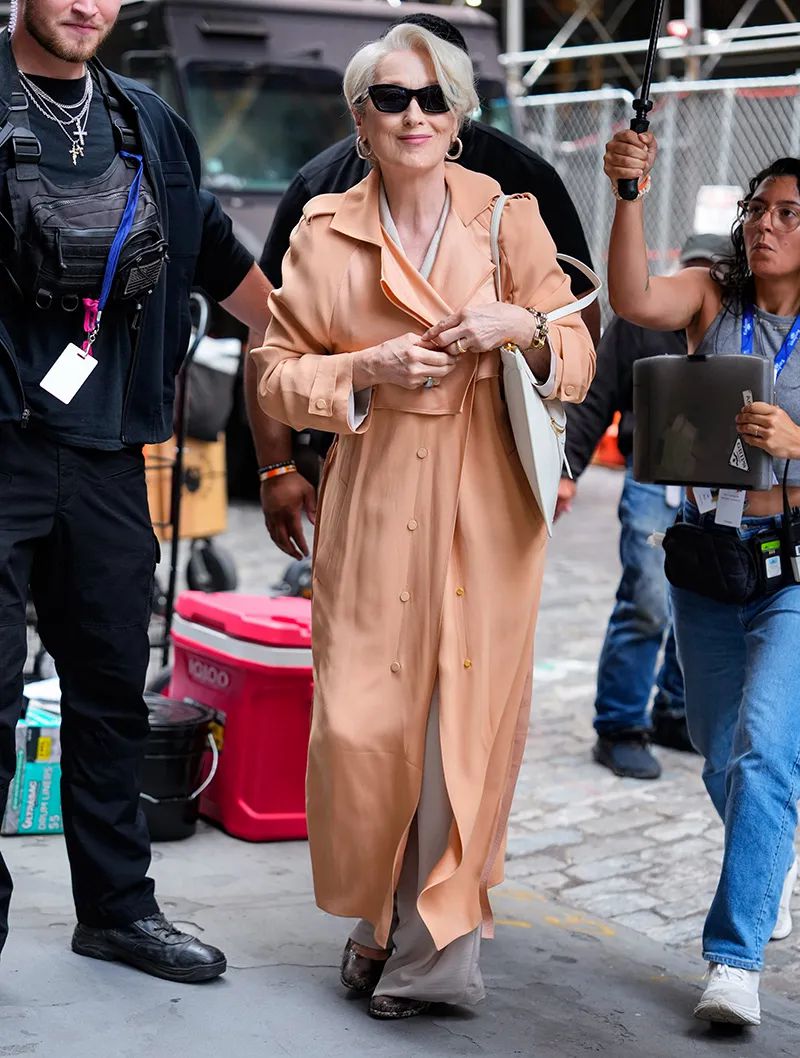
Meryl Streep returns as Miranda Priestly, the immaculately composed empress of fashion journalism, a woman whose icy command once dictated the direction of global style. But the empire she built — the world of print, of hierarchy, of whispered fear and glossy prestige — is crumbling. The Runway offices now echo with the sound of algorithms, not applause. Clicks have replaced couture. And Miranda, once untouchable, finds herself standing at the intersection of elegance and extinction.
Across the industry, Andy Sachs (Anne Hathaway) has become everything she once swore she’d never be — powerful, influential, and in demand. Now the creative head of a sustainable luxury brand, Andy represents the new face of fashion: ethical, digital, and socially aware. When her company competes directly against Runway for the same lucrative advertising deal, the old mentor and her former assistant meet again — not as subordinate and superior, but as equals… and rivals.
At the same time, Emily Charlton (Emily Blunt) has transformed from Miranda’s harried assistant into a commanding executive for a global marketing conglomerate. Sharper, bolder, and more ruthless than ever, Emily navigates Milan Fashion Week with the precision of a general — yet beneath her armor lies the question of whether her hard-won success came at too high a cost.
And standing somewhere between them, Nigel Kipling (Stanley Tucci) remains the film’s beating heart — still impeccably dressed, still wryly observing the endless cycle of ambition that devours even its brightest talents.
💼 The New Power Game: Fashion vs. The Feed
If the first film was about the cost of ambition, The Devil Wears Prada 2 is about the price of relevance.
It’s no longer enough to be iconic — you must also be clickable.
The world Miranda once ruled with a glance has fragmented into influencer empires, micro-trends, and viral moments. Runway magazine, the cathedral of aesthetic authority, now fights for its survival against the restless gods of the internet. Her meticulously edited pages can’t compete with a single TikTok post that reaches millions overnight.
The tension between old and new — legacy and reinvention — forms the pulse of the film.
Miranda faces not just a changing market, but a changing morality. What does power look like when control no longer comes from fear, but from followers?
For Andy, the challenge is more personal. Having built her career on authenticity and integrity, she must now decide whether she can stay true to her values while competing in a world that monetizes everything — even virtue. Her rise mirrors the transformation of modern media: sleek, self-aware, yet perpetually haunted by the compromises success demands.
And Emily? She’s the film’s wild card — a woman who once served Miranda with trembling hands, now commanding her own empire with poise and venom. But her ascent forces her to face the truth no one in fashion likes to admit: the higher you climb, the lonelier it becomes.
💬 A War of Words, a Mirror of Worlds
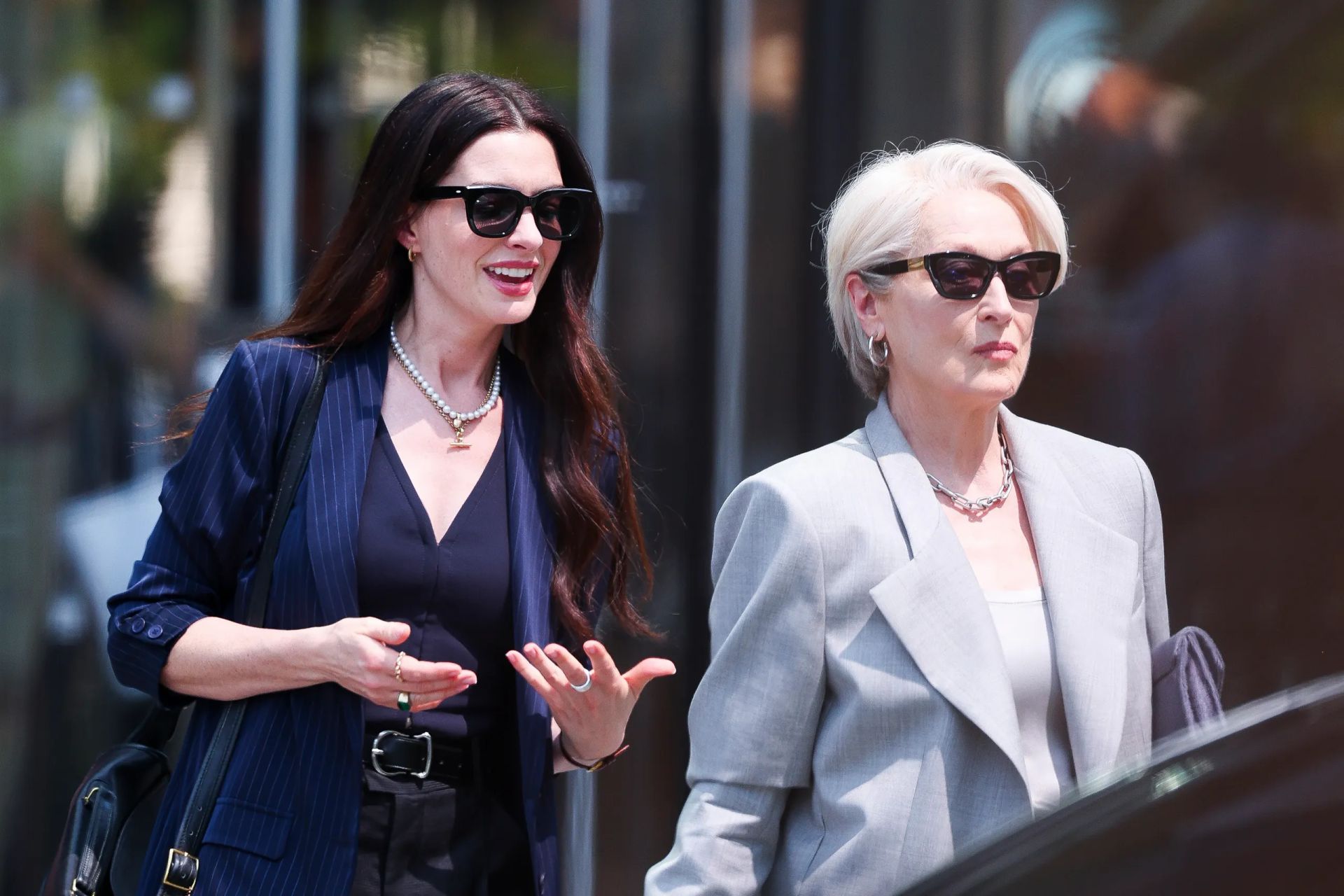
What makes The Devil Wears Prada 2 so compelling isn’t just the reunion of its iconic cast, but its sharp cultural insight. The film dissects the current power struggle between authenticity and image, influence and integrity — between those who build empires and those who reinvent them.
Expect biting dialogue and simmering tension.
Miranda’s barbs are sharper, her silences heavier. Andy’s resolve is stronger, but her moral certainty begins to blur. Emily moves through every scene like a storm in heels — unpredictable, magnetic, impossible to ignore.
And through it all, Nigel’s dry wit provides the emotional anchor — a reminder that beneath the satire lies something human: the desire to be seen, respected, and remembered.
🌍 Why This Story Resonates — Especially Now
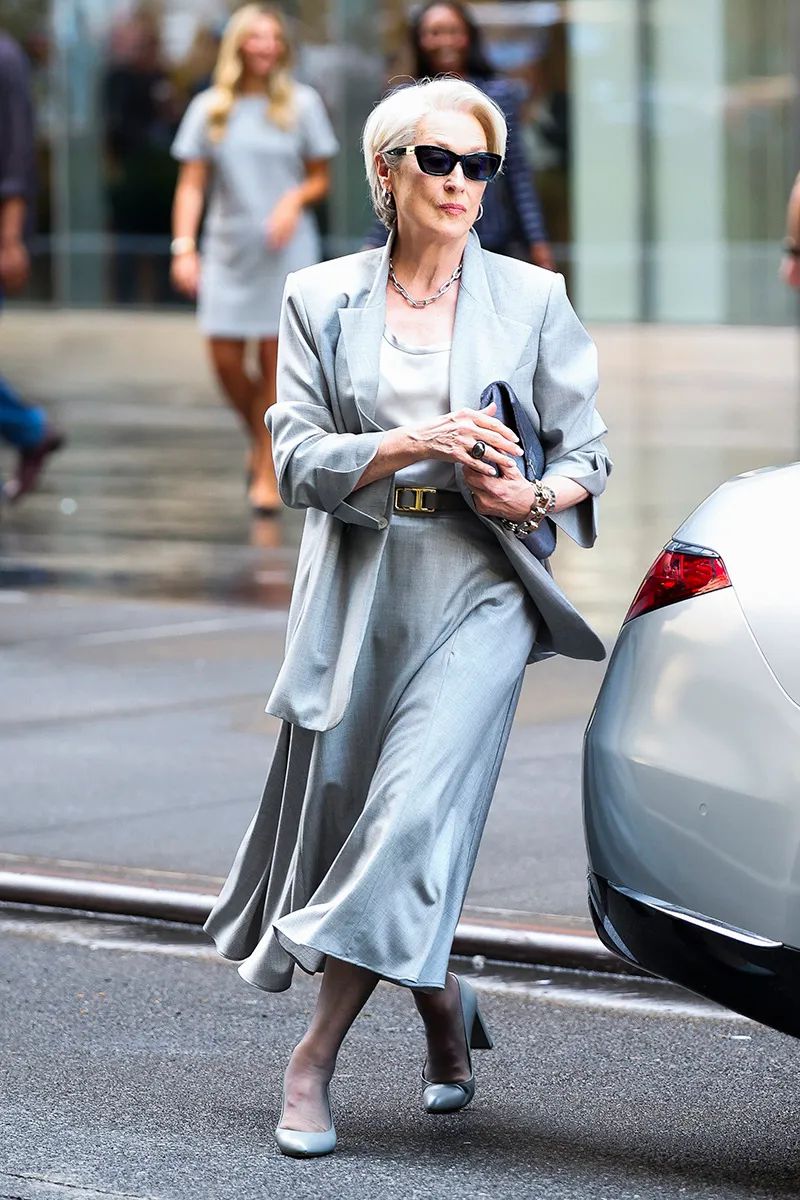
For U.S. and U.K. audiences, The Devil Wears Prada 2 hits closer to home than ever.
It reflects two worlds in transition — one struggling to preserve its class and craftsmanship (London’s fashion heritage, old media institutions), and another defined by American reinvention, technology, and the cult of personality.
The sequel cleverly weaves these contrasts: the polished restraint of British fashion culture meets the bold, influencer-driven chaos of American media. The result? A film that is as stylish as it is brutally self-aware.
It asks the questions our generation quietly fears:
What happens when elegance becomes irrelevant?
When empathy becomes a brand?
When the women who once fought for power now fight to keep their humanity?
👠 In the End: Fashion Never Dies — It Evolves
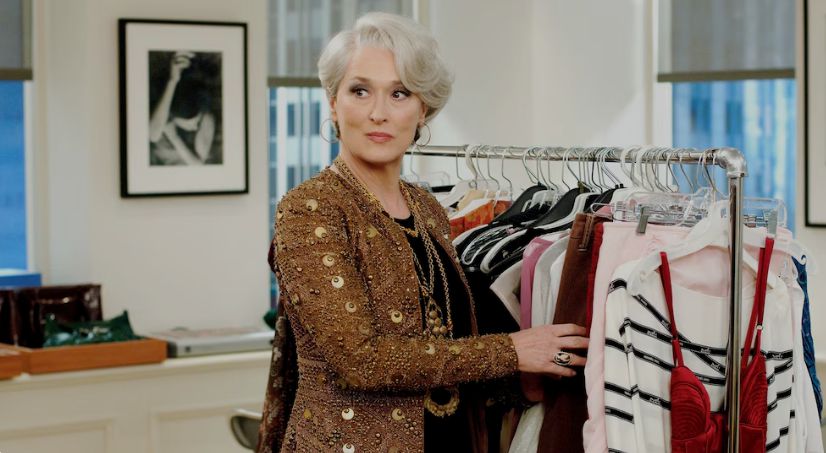
By its final act, The Devil Wears Prada 2 becomes more than a sequel — it’s a meditation on power, womanhood, and survival. Miranda must confront whether legacy can coexist with evolution. Andy must rediscover the line between success and surrender. Emily must learn that ambition, without purpose, is just another form of servitude.
And as Milan’s lights fade after Fashion Week, a quiet truth emerges — fashion was never just about clothes.
It was about identity.
About reinvention.
About the courage to remain yourself when the world tells you to become something else.
Because, as Miranda once reminded us with a single raised eyebrow —“Everyone wants this. Everyone wants to be us.”
But this time, the question isn’t who wants to be us —It’s who dares to stay themselves.