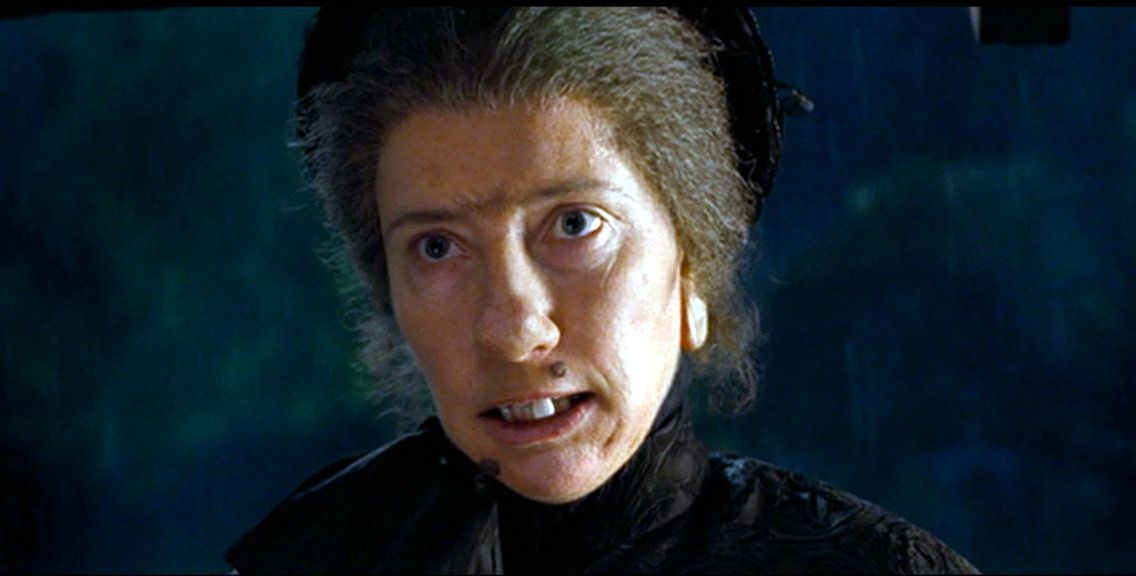
Nearly two decades after Emma Thompson’s peculiar, stern-yet-tender nanny last appeared on screen, Nanny McPhee (2026) imagines her return at a moment when the world seems to need her most. Written by Thompson and directed by Kirk Jones, the film is envisioned not simply as a sequel, but as a reflection on a society slowly losing its faith in kindness and imagination.
This time, the question at the heart of the story feels quietly urgent:
What happens when people forget how to truly connect?
🌍 A Modern World Drifting Apart
The story follows the Harper family — a single mother overwhelmed by modern pressures and three children absorbed in their screens. Their home is filled with devices, yet devoid of warmth. Conversations are rare, shared moments rarer still.
When disorder reaches its peak, a familiar presence arrives. A walking stick taps against the floor, the lights flicker, and the balance of the household begins to shift.
Nanny McPhee has returned — not merely to enforce discipline, but to mend emotional distance.
✨ Lessons for a New Generation
As always, Nanny McPhee appears to teach and departs once her lessons are learned. But in this chapter, the lessons feel simpler and more profound:
-
Listen before you speak
-
Care before you command
-
Share before you take
-
See before you judge
-
Love before you leave
Magic unfolds in gentle, imaginative ways — screens soften into hand-painted skies, toys awaken briefly, and technology yields to something older and wiser. Beneath it all lies a reminder of what it means to be present.
💫 From Nanny to Myth
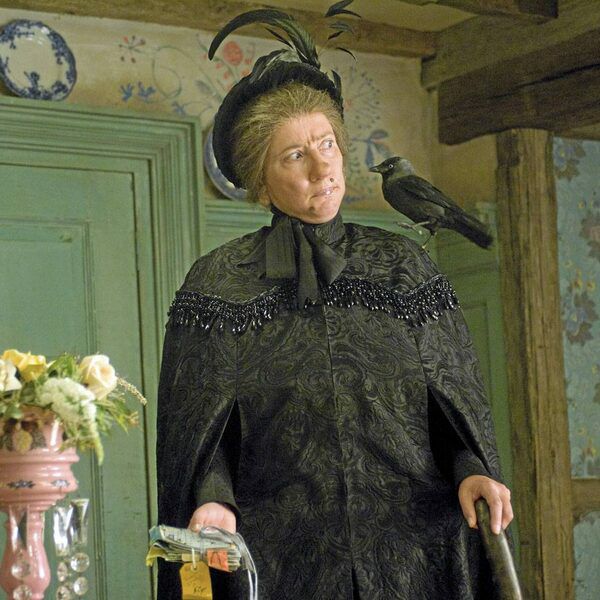
Emma Thompson once described Nanny McPhee as “Mary Poppins with a dark edge.” In Nanny McPhee (2026), she feels closer to legend than ever — her magic drawn from belief itself, and visibly fading as that belief grows scarce.
Hints of her past suggest sacrifice and impermanence, framing the character not as eternal, but as something fragile — sustained only by the faith of the children she guides.
👩👧 Family at the Heart of the Story
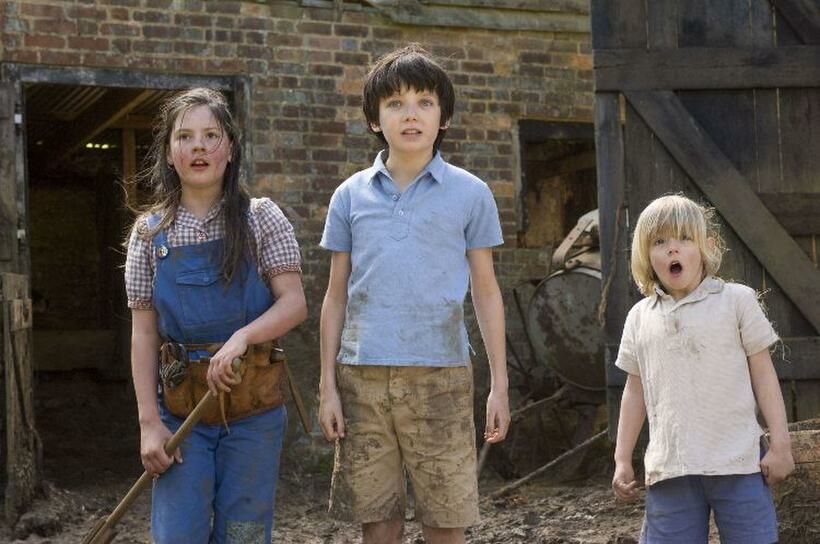
At its core, the film is about reconnection. The Harper family reflects a familiar modern struggle: parents stretched thin, children distracted, and homes growing quietly lonely.
In a key moment, one child dismisses magic as outdated. Nanny McPhee answers calmly:
“It isn’t real until you believe in it again.”
That line encapsulates the film’s message — a gentle stand against the erosion of wonder in contemporary childhood.
🎻 Mood, Music, and Visual Warmth
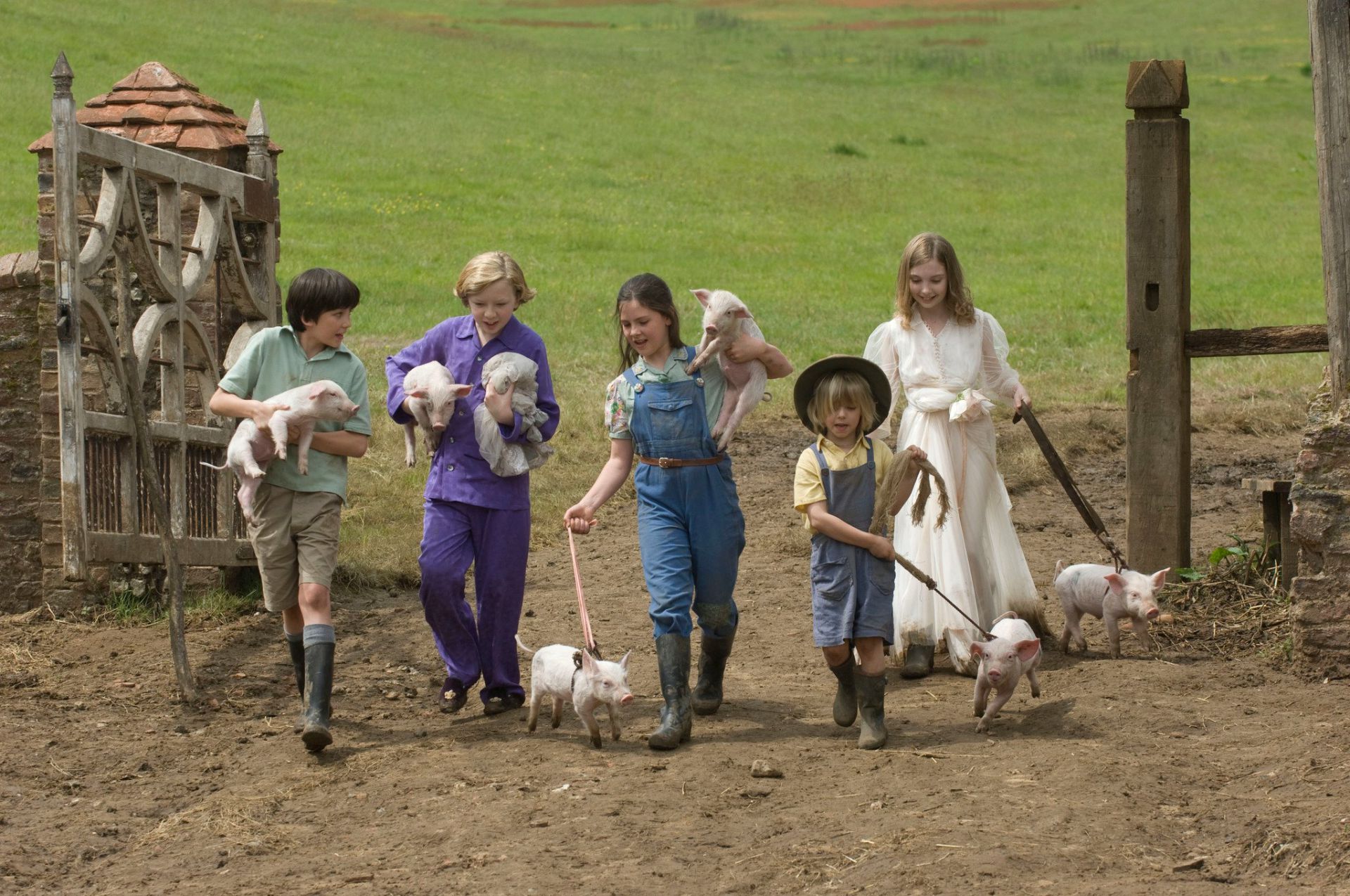
The film is imagined with soft orchestral themes blended with modern tones. Visually, everyday spaces glow with muted pastels, turning kitchens, gardens, and rainy afternoons into places of quiet possibility.
The tone recalls the warmth of Paddington and the elegance of Mary Poppins Returns, grounded by Emma Thompson’s emotional restraint.

🕯️ A Quiet Farewell
The ending is said to be both hopeful and melancholic. With her task complete, Nanny McPhee prepares to leave — not disappearing, but settling into memory. Her walking stick, left behind in a child’s hands, glows faintly.
Her final words linger:
“When you can see beauty in the ordinary, you’ll never lose me.”
💖 The Magic That Remains
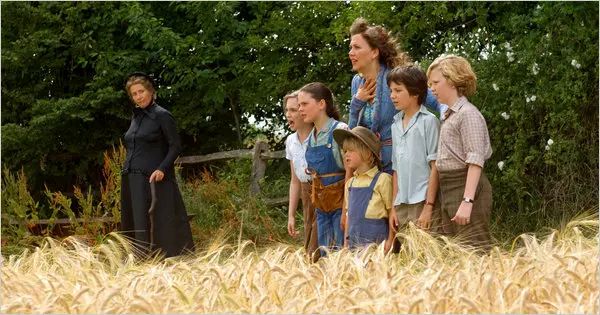
Nanny McPhee (2026) is envisioned as a modern fable rather than a traditional sequel — a reminder that kindness is never outdated, imagination still matters, and love remains the oldest magic of all.
In a world that has forgotten how to believe, Nanny McPhee’s lesson feels both timely and timeless.