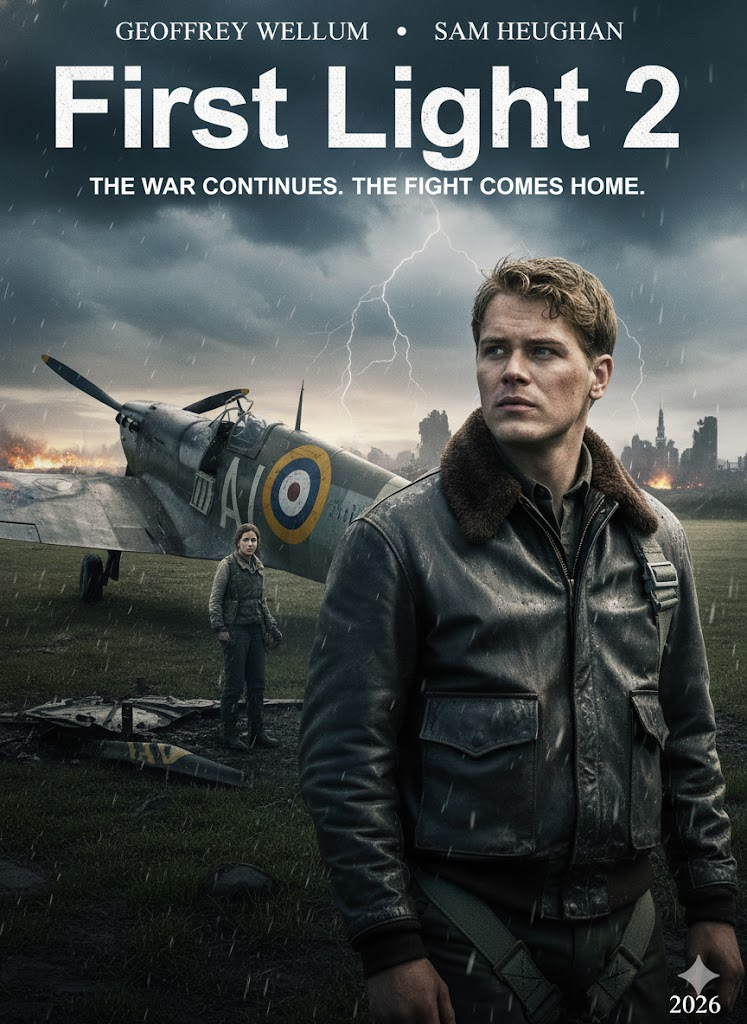
Some wars do not end with victory or defeat. They return quietly, following people home, settling into memory, and reshaping life long after the skies have fallen silent. First Light 2 (2026)—a title that has recently circulated online—evokes exactly that feeling: a story about war not in the air, but in what remains afterward.
According to the descriptions being shared, the film continues the journey of an RAF pilot who survived brutal aerial combat. Upon returning to Britain, he finds no true sense of peace. The post-war world feels fragile and uneasy, marked by quiet fear, hidden tensions, and moral uncertainty. Drawn into a covert mission, he is forced to confront difficult choices—between duty and personal life, between loyalty and conscience.
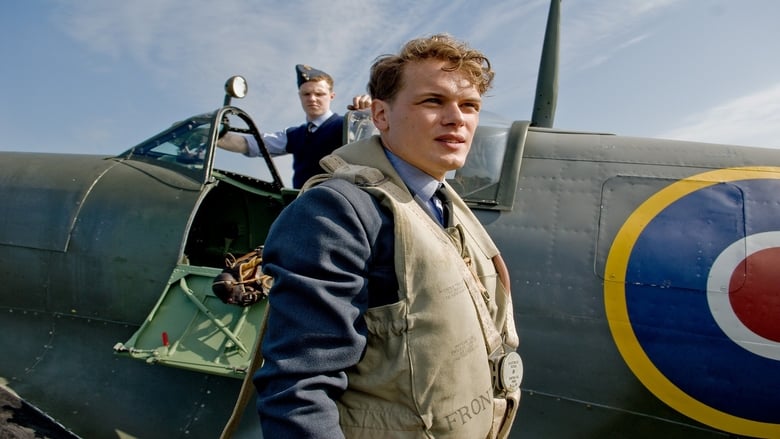
What makes First Light 2 especially compelling is its focus on the human cost of conflict. Large-scale wartime imagery—burning airfields, trembling cities—serves mainly as a backdrop to a quieter internal struggle: survivor’s guilt, loss, and the lingering question of what it truly means to endure.
Online posts have also linked the project to Sam Heughan, James Norton, and Lily James, names known for emotionally nuanced performances. Their association, though unconfirmed, has made it easy for audiences to imagine a restrained, character-driven war drama shaped by subtle acting rather than spectacle.

It is important to note that as of now, First Light 2 (2026) has not been officially announced or confirmed. Information surrounding the story and cast appears to originate from fan-made concepts or speculative content circulating on social media.
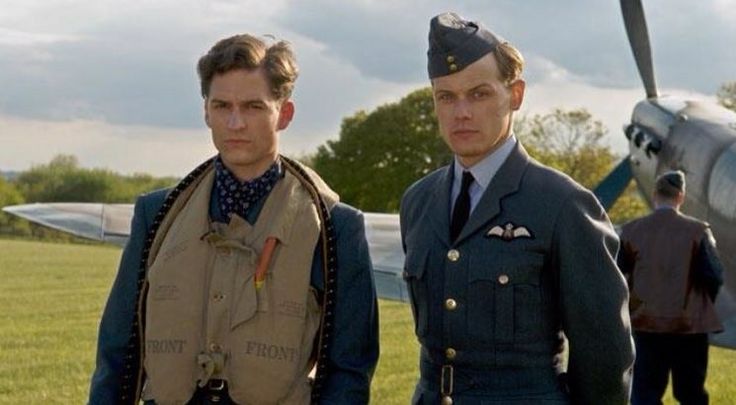
Even as an imagined project, First Light 2 reflects a clear desire among audiences today: war films that are quieter, more introspective, and deeply human. Stories that move beyond heroics to explore memory, loss, and the emotional aftermath of survival.
Sometimes, films that do not yet exist reveal the most about what viewers are hoping to see—cinema that is thoughtful, honest, and unafraid to linger on the silence after the war.