In a world where power, war, and honor are often told through the names of men, The Woman King emerges as a powerful affirmation that history is not just about men — it is also written in the blood, sweat, and tears of women who stand up.
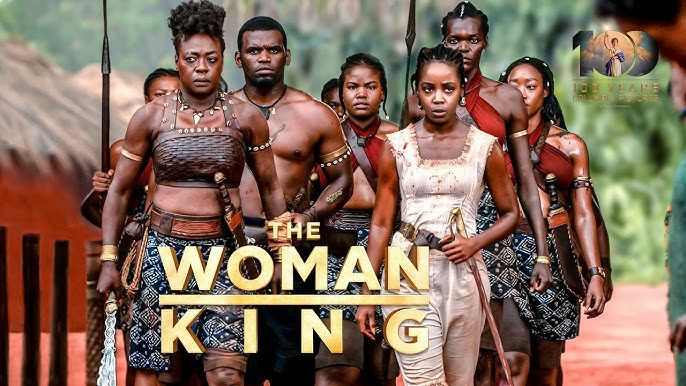
The film transports audiences to the 19th century, into the heart of the Kingdom of Dahomey — a powerful West African nation, home to a historical army of female warriors, called the Agojie (also known in the West as the “Amazons of Dahomey”). They are more than just swordsmen defending the kingdom; they are symbols of loyalty, honor, and autonomy in a society where women are often seen as property.
⚔️ Women of Fire and Destiny
At the center of the story is General Nanisca (Viola Davis) — a woman who, once devastated by war and slavery, now stands up to turn her pain into strength. Davis brings this character to life with a volcanic intensity, but also a deep inner turmoil – where compassion and the wounds of the past constantly collide. Beside her is Nawi (Thuso Mbedu), a young, rebellious woman who represents a new generation of women – those who dare to ask questions, dare to be different, and dare to love on their own terms.
The contrast between these two generations is the heart of the film:
Nanisca represents the generation of women who live to obey honor and royalty.
Nawi represents the generation of women who begin to fight for their own identity and the right to choose.
👑 True power does not come from swords
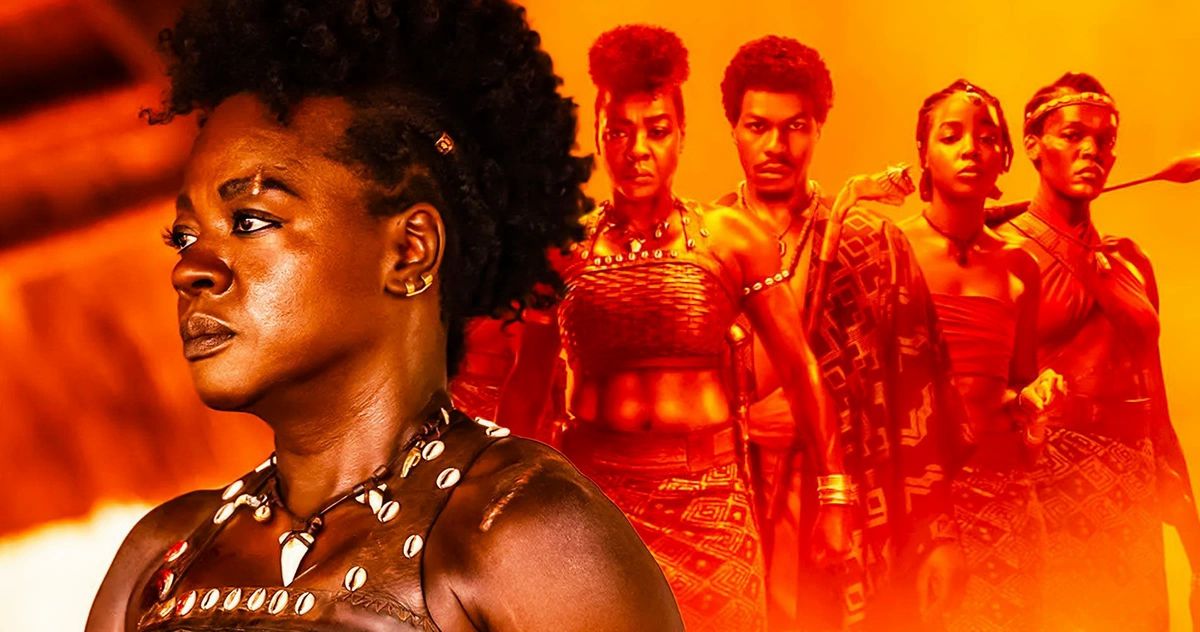
The Woman King not only recreates picturesque battles – where sweat, blood and light become one – but also delves into the war within the female soul.
The film dares to touch on issues that history often forgets:
Women are seen as commodities in marriage or war.
Mothers must hide the pain of losing their children because they are seen as weak.
And female warriors must sacrifice love, their vocation, and their youth in exchange for the respect that men take for granted.
In that world, for a woman to stand up, take up a sword, and say “I will defend my country” is a revolutionary act.
🌍 A feminist perspective in African history
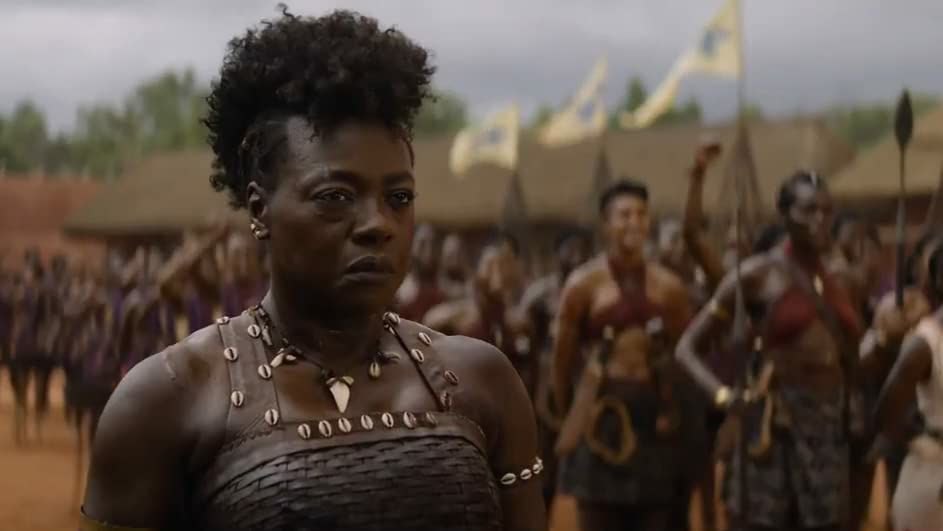
In the hands of Gina Prince-Bythewood, the film is not simply a battle epic, but also a tribute to the legacy of African women – who were not only victims of slavery, but also custodians of culture, faith, and life.
The director has created a world of Dahomey that is both magical and real – where every woman has a name, a story, pain and a belief.
Western audiences are used to seeing women of color as symbols of physical or spiritual strength, but here, they are seen as human beings – complete with the desire to love, to be free, to have choices, to be mothers or not to be mothers.
❤️ When honor and kindness coexist
One of the most powerful moments is when Nanisca admits her wounds – not the wounds from the sword, but the wounds of memory, of what she had to bury to survive. It is that moment that makes the audience realize: The Woman King does not glorify cold strength, but glorifies the courage to dare to be weak, to dare to face pain.
🔥 The Crystallization of Strength – A Timeless Call
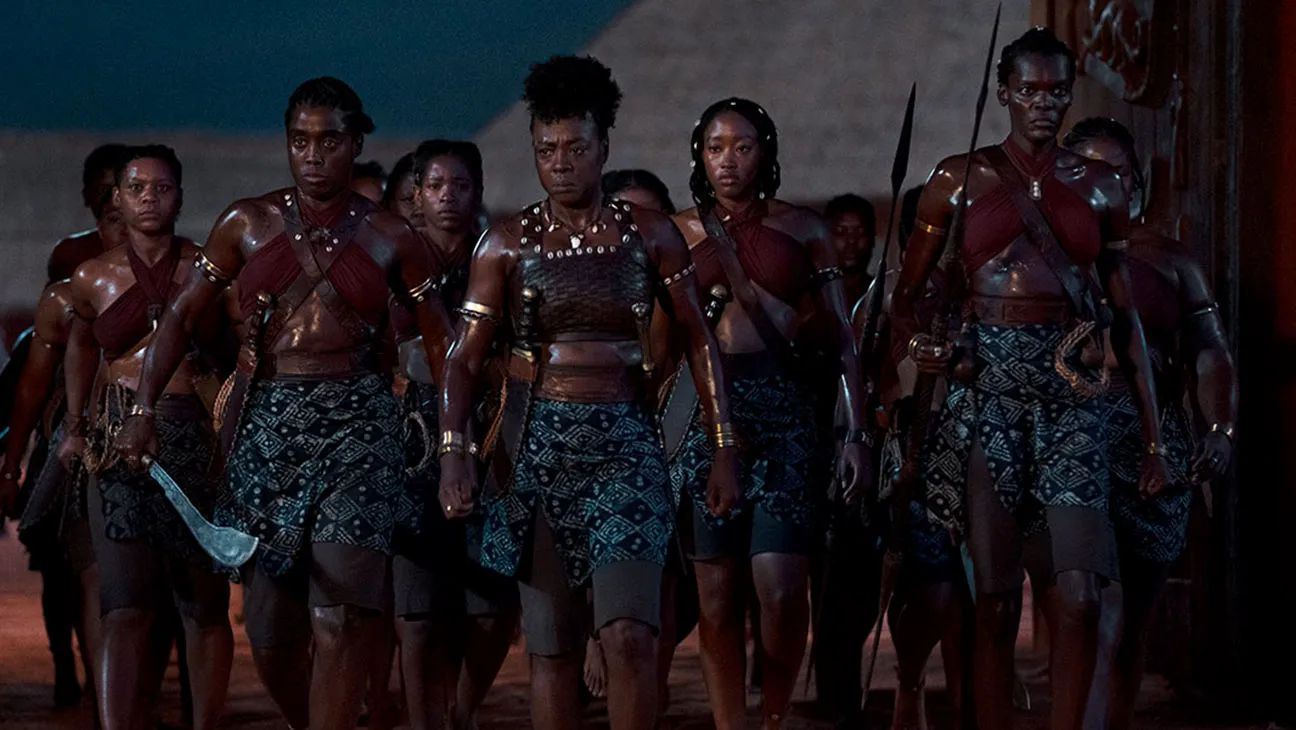
Ultimately, The Woman King is a love letter to women of all ages – those who were once silenced, but always existed, always fought, even though no one wrote their names in the history books.
In the twilight of Dahomey, as the female warriors raised their spears, we understood:
“Honor is not a gift – it is a fire lit by pain, kept by kindness, and burned by love for freedom.”
🌺 Conclusion
With The Woman King, Viola Davis doesn’t just play the lead role – she rewrites the definition of a strong woman: not one who is not afraid, but one who dares to walk through fear.
This is not just a historical film, but a spiritual testament – sent to generations of women, saying:
“We were once slaves, we were forgotten, but now we are the ones who continue to write history with our own hands.”