In 2026, For Colored Girls returns — not as a remake, but as a rising voice for women everywhere.
Tyler Perry’s reimagining of Ntozake Shange’s legendary work arrives in a time when women’s voices, especially those of Black women, continue to be challenged, overlooked, or silenced.
This version doesn’t whisper about empowerment — it shouts it, through tears, poetry, and unbreakable truth.
💔 Women, Not Symbols — Real Lives, Real Pain
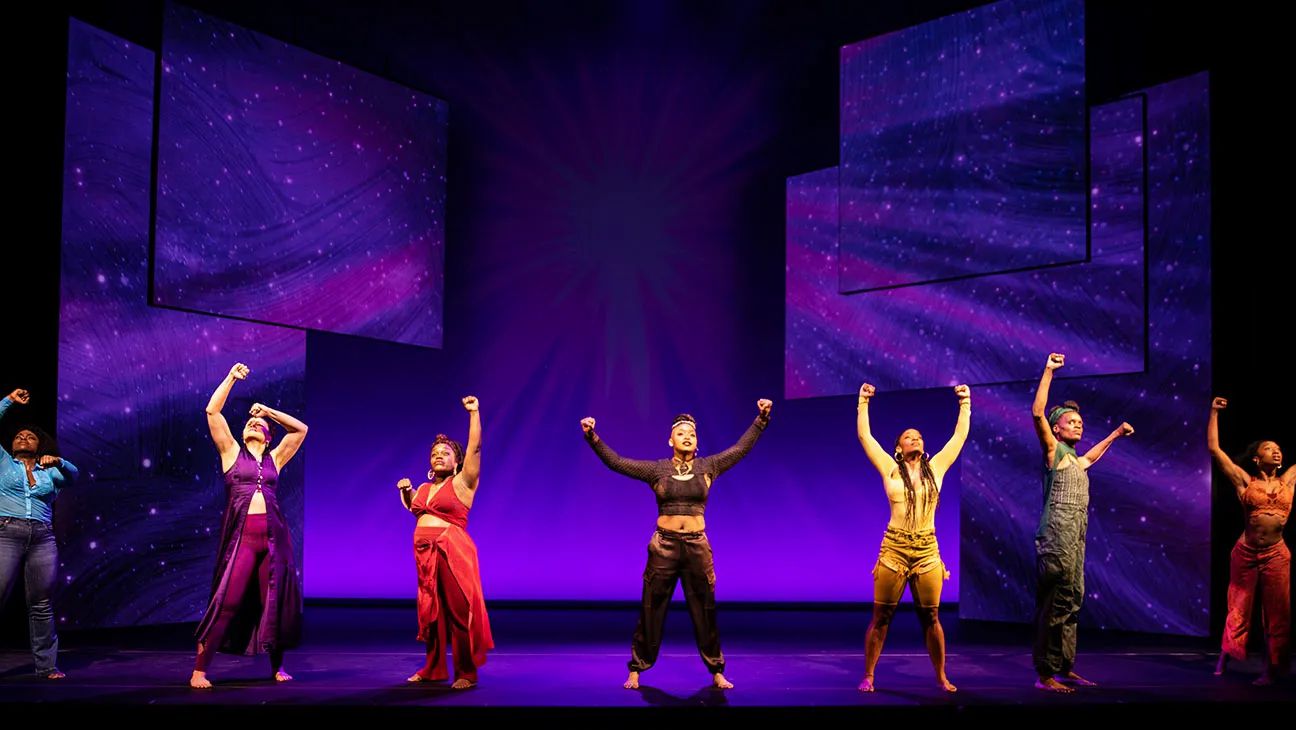
At the center of For Colored Girls (2026) are seven women — each one a reflection of the unspoken struggles that women face every day.
They are not perfect, not saints, not stereotypes.
They are real — carrying the weight of trauma, motherhood, love, and survival.
-
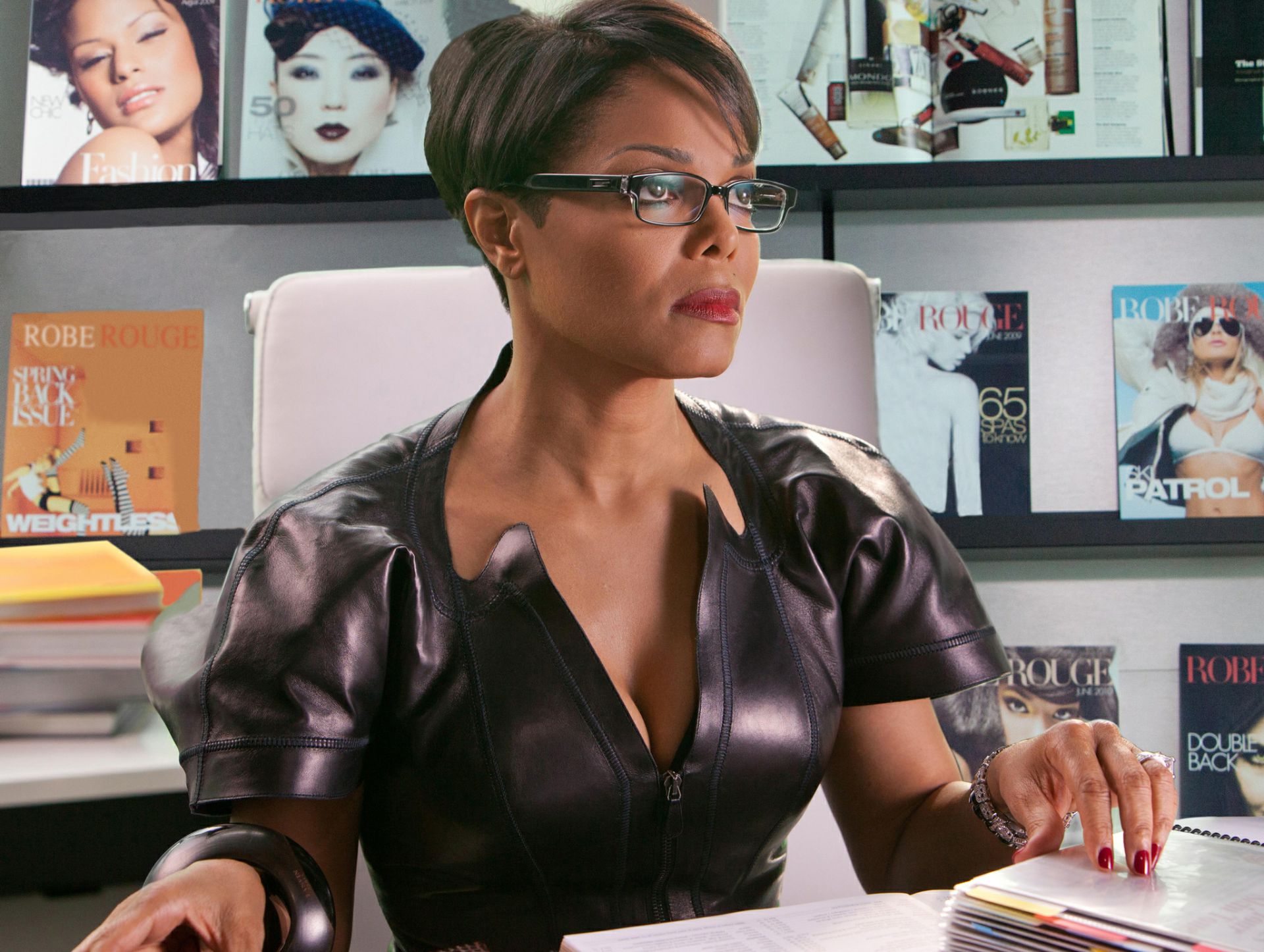
Janet Jackson plays a woman forced to confront the illusion of control, showing that power without peace is still captivity.
-
Thandiwe Newton portrays a survivor reclaiming her body and voice after violence — a story that resonates with the #MeToo generation.
-
Kerry Washington embodies the internal war between career and compassion, between being seen and being safe.
-
Whoopi Goldberg anchors them all — a voice of ancestral wisdom reminding us that silence, too, is a form of resistance.
Each woman’s story connects through poetry — the kind that burns, heals, and frees — exposing the shared threads of pain and strength that unite women across class, color, and circumstance.
🌹 The Heart of the Film — Power, Pain, and the Politics of Being a Woman
For Colored Girls is not just about womanhood; it is about the price of survival in a world built to test it.
It explores how systemic injustice, gender-based violence, and emotional invisibility shape the lives of women who are told to “endure.”
Tyler Perry’s new vision strips away sentimentality to reveal the quiet oppression behind everyday life — the moments when a woman swallows her anger at work, hides her bruises at home, or sacrifices her dreams for others.
But it also celebrates resistance — women lifting one another when no one else will, women refusing to apologize for existing, women rediscovering joy after being broken.
Through Shange’s poetic framework, Perry builds a space where truth doesn’t need permission to be spoken.
💫 The Power of Sisterhood
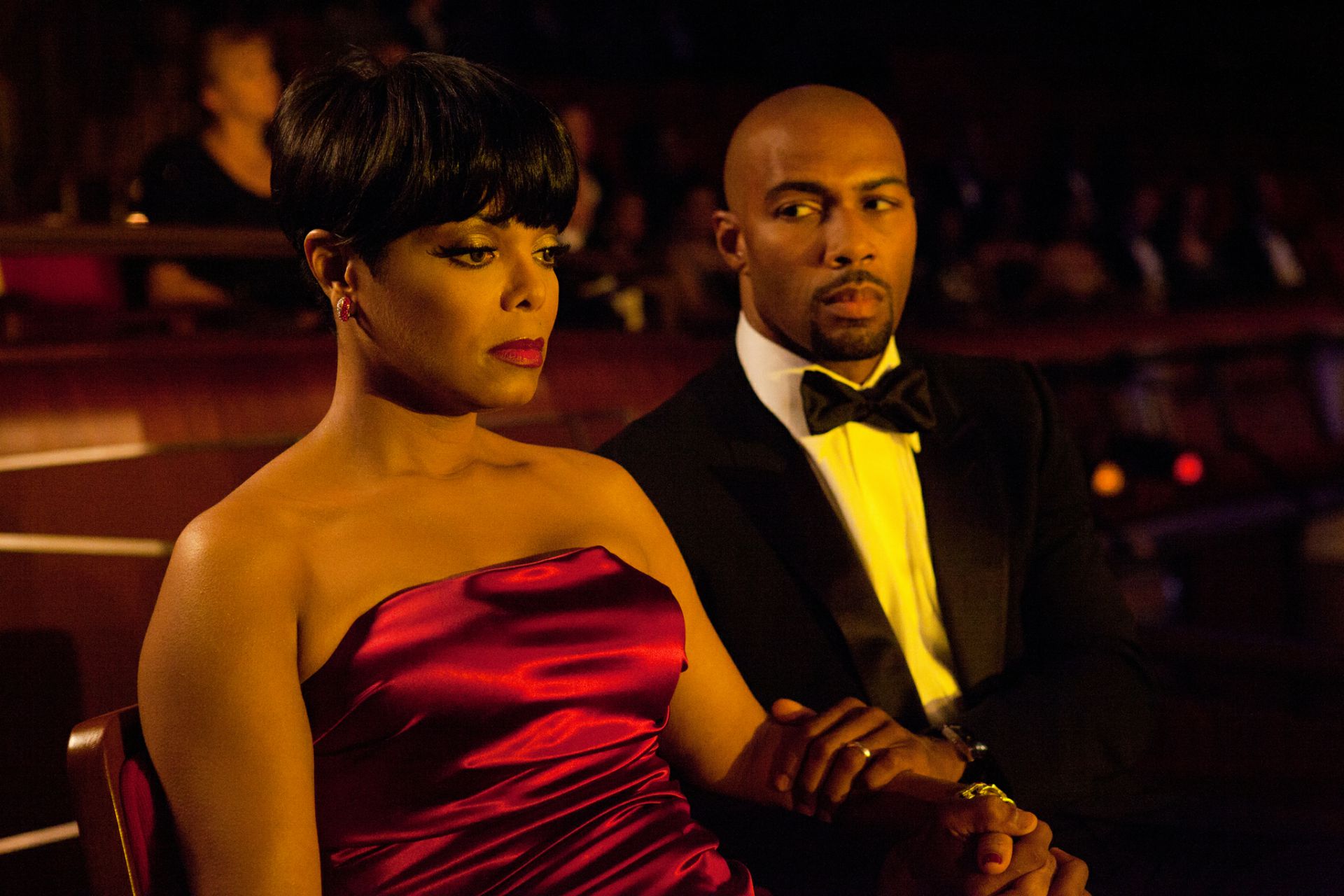
What makes this film revolutionary is not only its art — but its insistence that women are stronger together.
The sisterhood portrayed isn’t perfect; it’s messy, honest, and fiercely human.
When one woman falls, another lifts her. When one speaks, the others listen.
That unity — born from pain — becomes the ultimate act of defiance.
Perry has said in interviews that this project is “not just about representation — it’s about restoration.”
The film serves as both mirror and balm, forcing audiences to confront uncomfortable truths while offering healing through empathy.
🎭 Performances That Demand to Be Felt
Janet Jackson’s portrayal is both regal and raw — a woman who built walls to protect herself only to realize they became her prison.
Whoopi Goldberg delivers quiet grace that speaks louder than words.
Thandiwe Newton and Kimberly Elise channel trauma into art so emotionally pure, it transcends acting.
Each actress embodies a facet of womanhood — the parts the world rarely sees: anger, exhaustion, tenderness, forgiveness.
🕊️ A Modern Manifesto for Women’s Rights
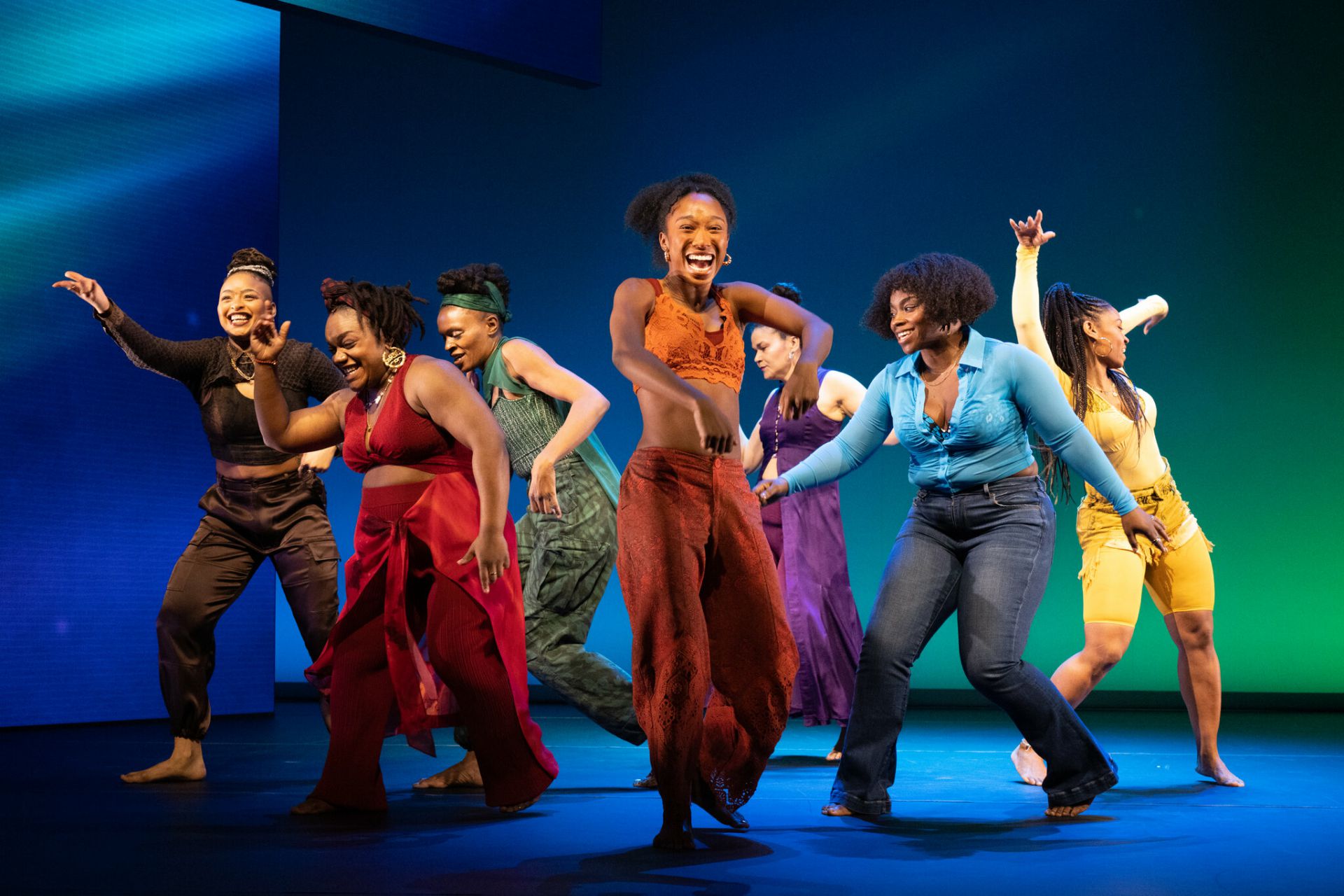
In many ways, For Colored Girls (2026) is more than a film — it’s a movement.
It amplifies the ongoing struggle for women’s rights: the right to safety, to dignity, to speak, to be believed, and to define one’s own worth.
It arrives at a time when conversations around gender, race, and justice are louder than ever — yet often disconnected from the lived experiences of women of color.
This adaptation bridges that gap, reminding audiences that feminism must be inclusive to be powerful.
Tyler Perry’s approach honors Shange’s words while reframing them for a new generation:
“We are not invisible.
We are the color of strength,
The sound of survival,
The voice of every woman who ever dared to say — enough.”
🌅 A Closing Note — and an Open Conversation
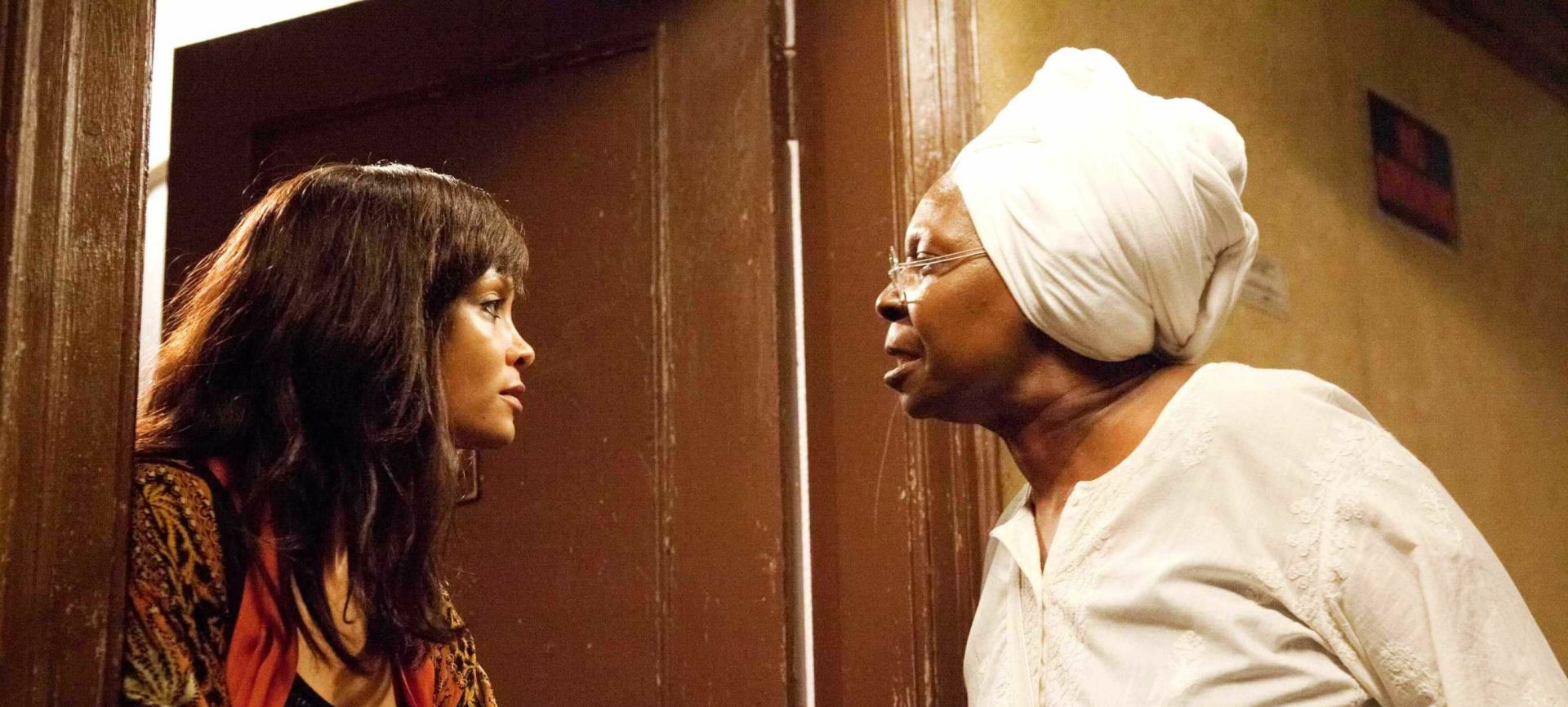
As the film ends, the women stand together, not as victims, but as survivors reborn.
Their voices rise — not in harmony, but in truth.
And the final image lingers: seven women, facing the sunrise, unbroken.
It’s not closure. It’s continuation.
Because the message of For Colored Girls is clear:
💬 “We’ve been silenced long enough — now, we speak.”